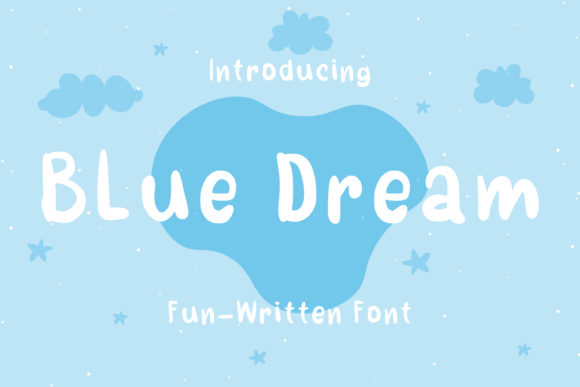
Blue Dream: A Playful Handwritten Font for Web Design
Where Can Blue Dream Shine?
Blue Dream is particularly effective in areas where a touch of personality can enhance the user experience. Here are some common use cases:
- Website Headers: Use Blue Dream for main headings to create a welcoming and engaging first impression.
- Hero Sections: Pair it with a clean sans-serif body font to balance creativity with readability.
- Landing Pages: Apply it to call-to-action buttons or section titles to guide the user’s eye naturally through the page.
- Online Store Banners: Add a whimsical flair to product displays while maintaining clarity for key information.
- Blog Graphics: Incorporate it into headers or social media graphics to reflect a brand’s creative identity.
- Digital Ads: Use it for short, impactful headlines that stand out in a crowded online space.
- Course Sales Pages: Make learning feel inviting and accessible with a friendly typeface like Blue Dream.
- Portfolio Sites: Showcase your work with a font that reflects your personal or brand style.
Readability and Visual Hierarchy
While Blue Dream is undeniably stylish, its readability is crucial for digital applications. In web design, legibility should never be compromised, especially on mobile devices. When using Blue Dream, consider the following tips:
- Use it sparingly: Reserve Blue Dream for headings, logos, or decorative elements rather than large blocks of text.
- Contrast matters: Ensure sufficient contrast between the font color and background to maintain readability, especially on dark or light backgrounds.
- Responsive design: Test how Blue Dream performs across different screen sizes and adjust sizing or spacing as needed.
- Pair wisely: Combine it with a clean, modern sans-serif font for body copy to maintain a clear visual hierarchy.
Brand Tone and User Engagement
Typography plays a significant role in shaping brand tone and user engagement. Blue Dream’s friendly and playful nature makes it perfect for brands that want to appear approachable and creative. Whether you're designing a boutique online store, a coaching website, or a SaaS landing page, this font can help convey warmth and authenticity.
For instance, a creative portfolio site might benefit from Blue Dream in the header to establish a personal brand, while a course sales page could use it to make the learning process feel less intimidating. The key is to align the font’s personality with the brand’s voice and audience expectations.
Font Pairing and Design Flexibility
Blue Dream works best when paired with complementary fonts that balance its ornate style. Consider the following pairings for different design contexts:
- For editorial design: Pair with a serif font like Georgia or Cinzel to create a more traditional yet elegant look.
- For modern websites: Combine with a clean sans-serif such as Montserrat or Open Sans for a balanced, professional aesthetic.
- For branding kits: Use it alongside a geometric sans-serif for a modern twist that still maintains a handcrafted feel.
When selecting font pairings, always test them in real layouts to ensure they work together harmoniously without overwhelming the user.
Commercial Licensing and Practical Considerations
If you’re using Blue Dream for commercial projects—such as client websites, online stores, or digital templates—it’s important to verify the licensing terms. Most premium fonts like Blue Dream offer commercial use rights, but always check the included styles, file formats, and multilingual support to ensure compatibility with your project needs.
Additionally, consider webfont availability and performance. Using a lightweight version of Blue Dream can improve load times, especially for high-traffic sites or mobile users. Always test the font across different platforms and browsers to ensure consistent rendering.
Final Thoughts on Blue Dream
Blue Dream is more than just a font—it’s a design asset that can bring personality, warmth, and visual interest to your web projects. Whether you're building a creative portfolio, launching a new online store, or designing a blog header, this font has the potential to elevate your digital identity and engage your audience in meaningful ways.